
East Africa
Bringing forests back to life
Your Guide to Africa
Melissa Siebert
10/21/2026
‘A healthy forest is much more than its trees.’
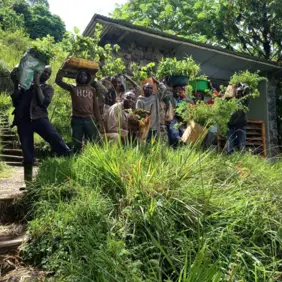
‘You can plant thousands of trees and still not necessarily have a functioning forest,’ says Dr Mariëtte van der Walt, Wilderness Biodiversity Co-ordinator. ‘You could say reforestation is part of forest restoration, but restoration takes a much more holistic approach. It’s about restoring a forest to a functioning ecosystem. That means thinking about which tree species belong there, where they should be planted, how they interact with one another, and how we can recreate the conditions that allow the wider community of plants, animals, and ecological processes to return.’
Restoring forests offsets climate change, since forests absorb carbon dioxide emissions driving rising temperatures. Healthy forests also clean water, reduce soil erosion, and support the wildlife and biodiversity that depend on them.
‘One of the easiest ways to understand this is to imagine two satellite images: one showing a pine plantation and another showing a natural mixed forest. From above, both might look equally green. It is only when you get on the ground that you really appreciate the difference. A pine plantation may be dominated by a single tree species. It might look like a forest, but it doesn’t necessarily provide the same diversity of food, shelter, and habitats as a natural forest.
‘A healthy forest is much more than its trees,’ she adds. ‘It contains different tree species of various ages and sizes, alongside shrubs, grasses, insects, birds, mammals, fungi, and countless other organisms. All of these species interact with one another, and those interactions are what allow the forest to function as an ecosystem.
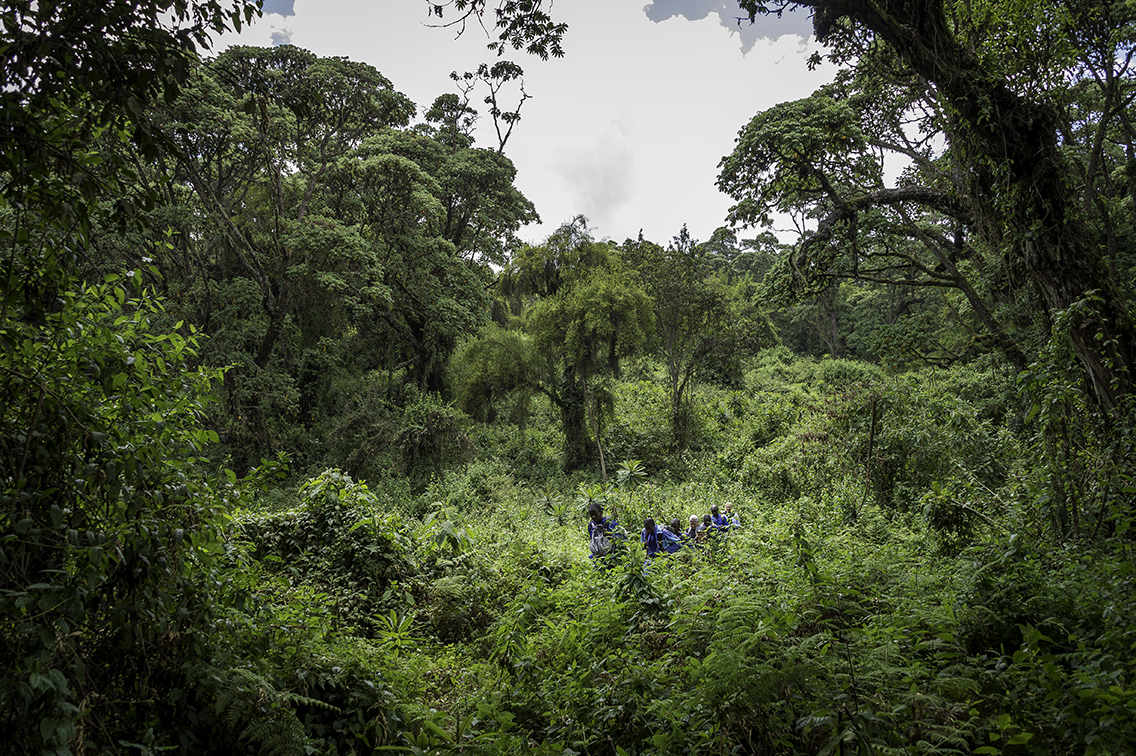
'That is why restoration needs to consider what we plant, where we plant it, and how those species fit into the wider ecosystem. Even planting native trees isn’t automatically forest restoration. If we plant a single species, create another monoculture, or plant trees in an area that historically wasn’t forest at all, we could actually be creating a new ecological problem.’
Wilderness’ current forest restoration projects
Bisate, Rwanda
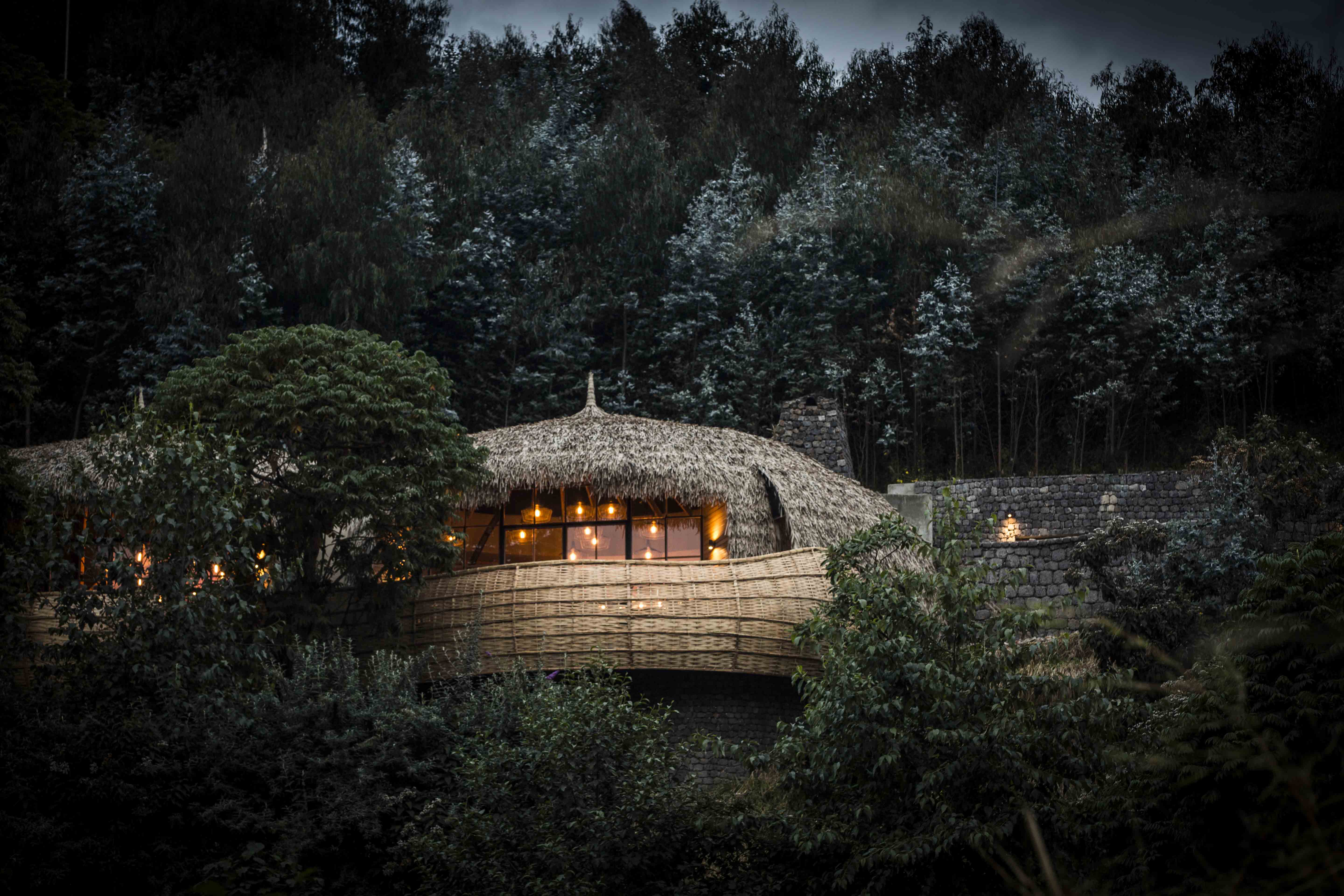
Sited on the volcanic slopes edging Volcanoes National Park – and soon to be incorporated into a park expansion – Bisate was once cleared for agriculture and eucalyptus, decimating the surrounding native Afromontane forest. This forest is home to more than 1,000 mountain gorillas and other wildlife. Since 2016, Wilderness has led initiatives to reforest the area, purchasing 42 hectares of land and planting more than 106,515 indigenous trees (including Hagenia, Lobelia and mountain bamboo), maturing into a thick canopy that hydrates the forest ecosystem.
Tree planting, constituting Phase One, continues. Wilderness Bisate guests have the option of visiting the lodge’s nursery housing 20,000 seedlings, and planting a tree during their stay.
Phase Two of the forest restoration project, now underway, entails recovery monitoring. Monitoring tools include NDVI (Normalised Difference Vegetation Index), which uses satellite imagery to determine greenness in an area by measuring light reflected from the Earth’s surface (healthy plants absorb red light for photosynthesis but reflect near-infrared light), and NDMI (Normalised Difference Moisture Index), which analyses a forest canopy’s water content. A dense canopy with high water content indicates a healthy, healing forest.
A network of camera traps is being used to track mammal diversity and return across habitats; acoustic sensors monitor bird and bat diversity through their calls; weather stations link wildlife activity to rainfall, temperature, and humidity; and the EarthRanger system integrates monitoring by bringing all data together in near real-time reporting.
‘Bisate’s exemplary forest restoration bodes well for the future,’ says Mariëtte. ‘There is a much bigger conservation story here. As the boundaries of Volcanoes National Park expand, Bisate will form part of this larger protected landscape and contribute directly to extending habitat for mountain gorillas.’
Bisate Reforestation
Gishwati, Rwanda
Set on a ridge in the scenic landscape of north-western Rwanda, between Volcanoes National Park and Lake Kivu, you will find the magnificent Gishwati Forest. But it wasn’t always so.
‘Gishwati Forest was degraded over more than a century, but the most serious destruction occurred between the 1970s and the early 2000s,’ explains Thierry Inzirayineza, Wilderness Impact Manager based in Kigali. ‘Growing population pressure increased the demand for land for farming and cattle grazing. People also depended on the forest for firewood, charcoal, timber, and other daily needs. In the 1970s and 1980s, the Rwandan government introduced large-scale cattle ranching and improved agriculture to benefit the population. Large areas of natural forest were replaced with pasture and farmland.
‘Deforestation increased even further after the 1994 Genocide against The Tutsi,’ he adds. ‘Refugees settled in and around Gishwati, clearing forest to create land for homes, subsistence farming, grazing, and other livelihood activities. As a result, 98% of the original forest was lost, leaving the remaining area severely fragmented and degraded.’
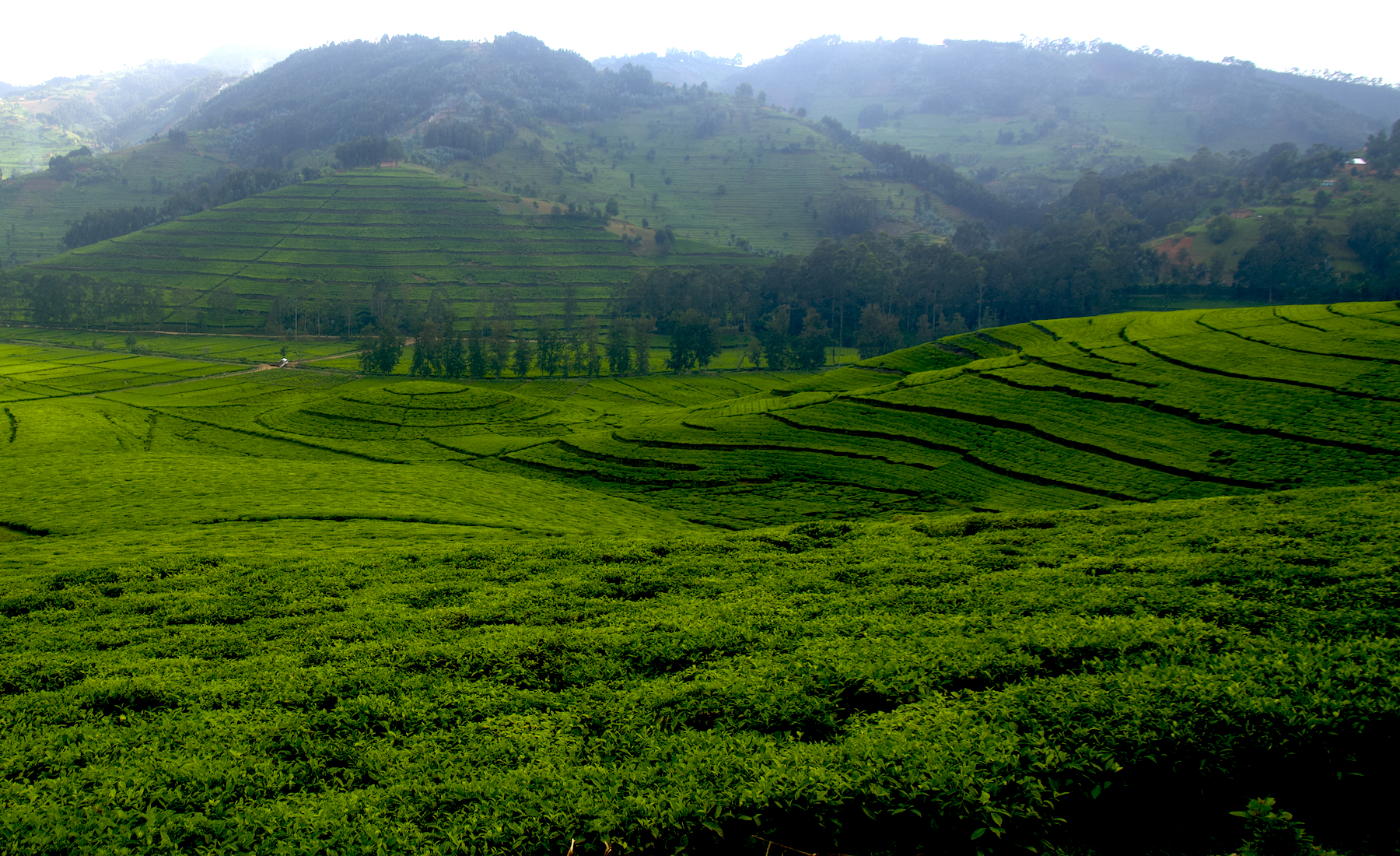
The good news is that Gishwati has expanded from 600 hectares to its 1,570 hectares currently. In 2016 it became part of Gishwati-Mukura National Park, and in 2020 was recognised by UNESCO as part of the Gishwati-Mukura Landscape Biosphere Reserve.
Gishwati’s restoration began in 2002, initially focusing on the degraded areas and later expanding to community-owned land through agroforestry practices. Wilderness Rwanda joined the ongoing process in 2019, and has contributed to the restoration of Gishwati Forest by reforesting 20 hectares with indigenous species. In partnership with the Forest of Hope Association (FHA), 50,912 indigenous trees have been planted to date to support natural regeneration. The Government’s Rwanda Development Board (RDB) has also been involved in the process, as have local citizens.
‘The strategy focuses on active restoration through tree planting and protecting the forest using a community-based approach,’ says Thierry.
‘Local communities are actively involved in selecting species, raising seedlings, planting trees, and monitoring restoration activities. They benefit directly by earning income from their participation and protecting their land through agroforestry practices.’
Gishwati still requires significant restoration and there’s no fixed completion date. But the forest has stabilised while restoration continues, says Mariëtte. ‘This is particularly important for wildlife such as the eastern chimpanzees found in Gishwati, because larger and better-connected forest gives them more opportunities to feed, move through the landscape, and maintain a resilient population,’ she explains.
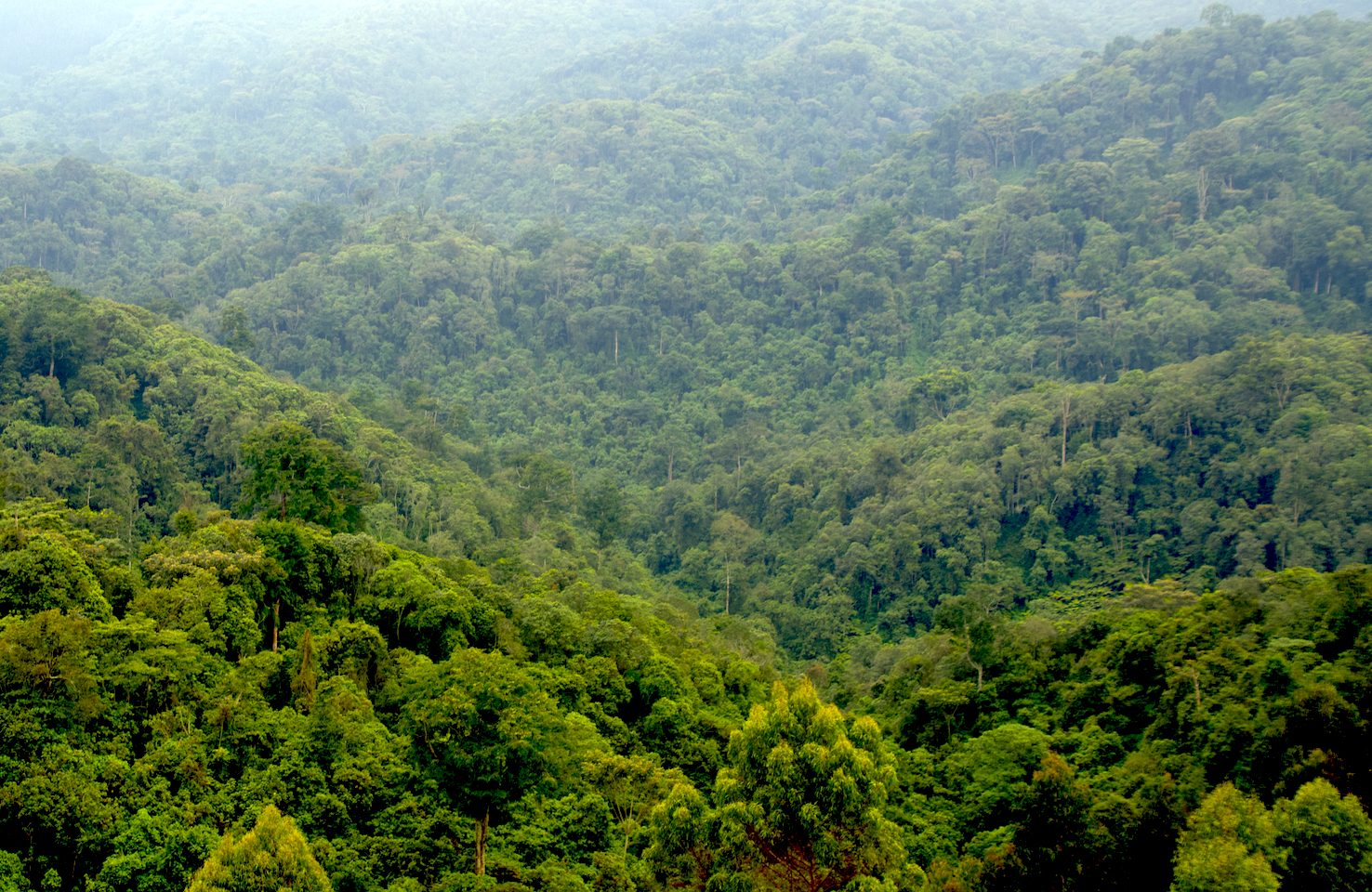
‘When you are physically moving through a forest like that, you start to appreciate that this isn’t just a collection of trees. It is a living, complicated landscape. And knowing how much of this forest was once lost makes seeing it today even more remarkable.’
Sabyinyo, Rwanda
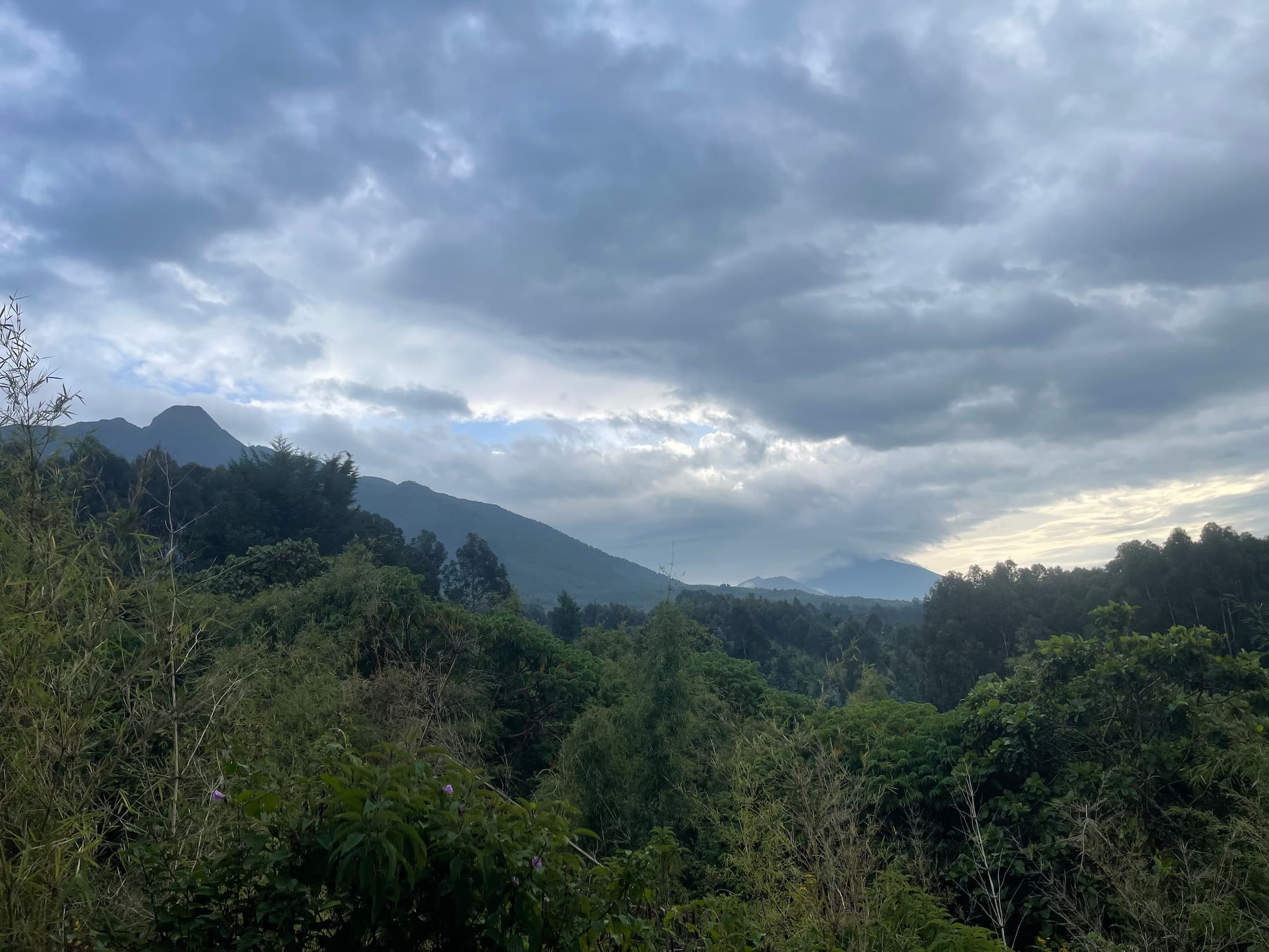
Like Bisate, nearby Sabyinyo is set to fall within the borders of the expanded Volcanoes National Park.
‘Its restoration story is tied into a much bigger conservation and community story,’ Mariëtte says. ‘The lodge is close to Volcanoes National Park and is owned by the Sabyinyo Community Livelihood Association (SACOLA), with tourism revenue supporting both community development and conservation initiatives. The restored forest areas will contribute directly to expanding mountain gorilla habitat and strengthening the wider protected landscape.’
The Kinigi-based SACOLA trust partnered with Wilderness to restore the Sabyinyo forest when Wilderness took over management of the lodge in 2023.
‘The forest was degraded over time, primarily due to the presence and use of eucalyptus trees and agricultural activities involving non-indigenous species not part of the natural ecosystem,’ says Wilderness Sabyinyo General Manager Elie Dusengimana.
‘As a conservation-focused company, Wilderness is committed to restoring indigenous forest habitat and supporting the long-term conservation objectives of Volcanoes National Park, including creating additional suitable habitat for gorillas and other wildlife’
Since the restoration programme began, more than 68,636 indigenous trees have been planted, representing 14 different tree species and four different shrub species. The planting programme is carried out in partnership with the SACOLA community and Sabyinyo staff, primarily through the Umuganda community work programme – a mandatory, nationwide call to collective community upliftment on the last Saturday of every month.
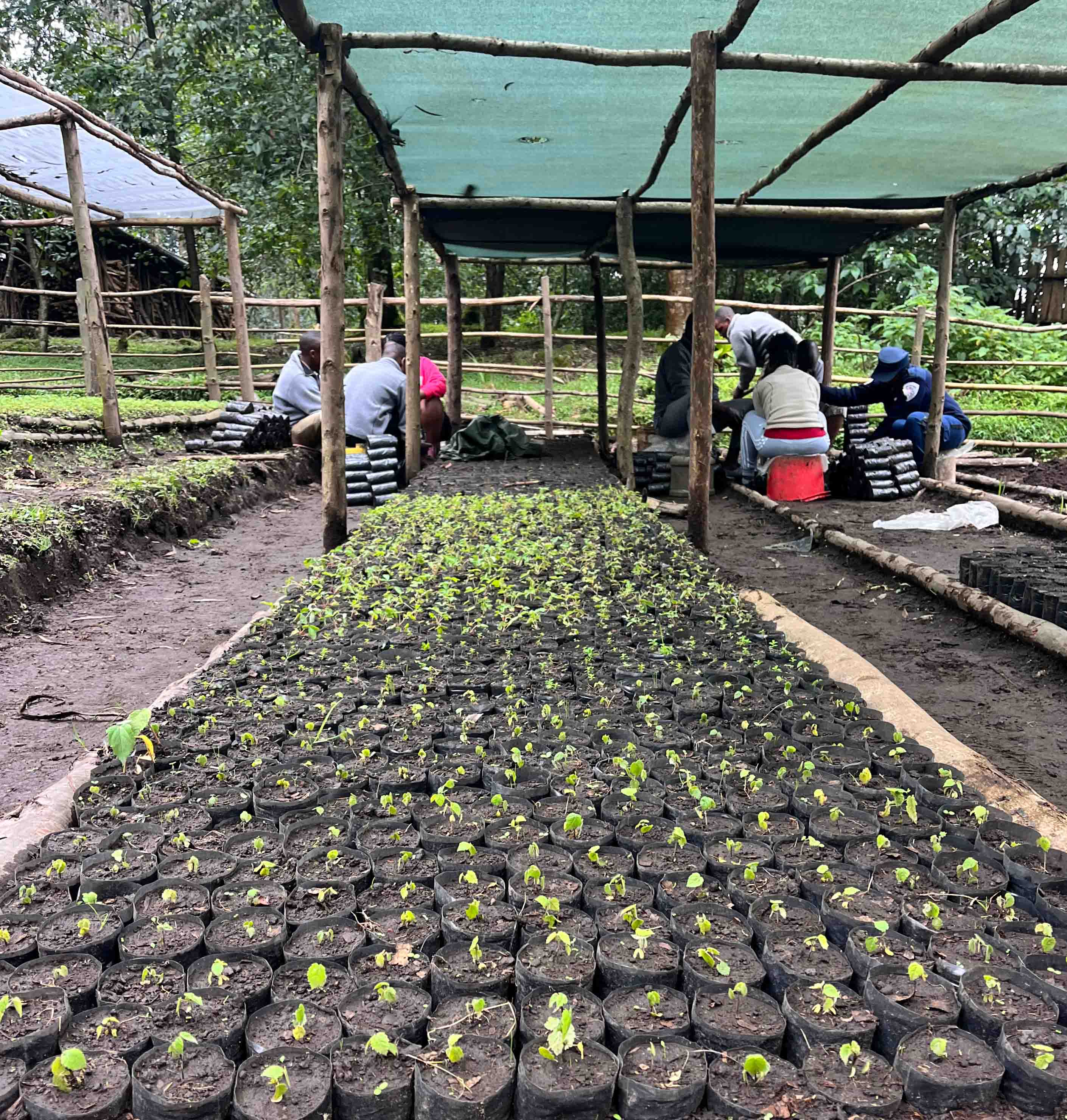
‘An agronomist based at the lodge is responsible for overseeing and monitoring the reforestation programme,’ Elie explains, ‘including tree planting, species selection, establishment, and ongoing growth. Reforestation activities are generally planned during the rainy season, giving newly planted trees sufficient time to establish themselves before the drier, hotter season.’
Ecological results are encouraging, Elie reports:
- Approximately 13.45 of the 16.4 hectares identified for restoration have been restored, representing approximately 82% of the target area.
- The restored area is already attracting wildlife. A gorilla family has visited the area, while monkeys are regularly seen, and a variety of bird species have returned.
- The reported survival rate of the planted trees is currently close to 96%, based on monitoring by the lodge’s agronomist.
‘We are also exploring ways to involve guests directly in the reforestation programme,’ he says, ‘allowing them to participate in practical conservation activities during their stay.
‘In addition, SACOLA and Wilderness are looking at opportunities to expand the area available for reforestation. SACOLA is working with communities to acquire land that can be restored and, where appropriate, also added to the national park. The timing and scale of this future restoration will therefore depend partly on the park expansion programme and the availability and acquisition of suitable land. It is a long-term, ongoing conservation initiative.’
‘For me, Sabyinyo demonstrates that forests are about much more than what we see on a planting spreadsheet,’ adds Mariëtte. ‘It’s one of those places where you can simply sit quietly under the trees and watch the forest around you.
‘Those moments are a reminder of what we are ultimately trying to achieve through restoration. We aren’t planting trees simply to increase a number – we are trying to create a landscape where all of these species can once again interact, move, and thrive together.’
Nyekweri, Kenya
On the northern edge of Kenya’s Masai Mara National Reserve, Nyekweri Forest is just starting its restoration journey. A vital part of the Greater Mara Ecosystem, a biodiversity hotspot, and home to large elephant herds, leopard, buffalo, the endangered giant pangolin, and many other creatures, Nyekweri has lost 90% of its cover – 80% in the last decade. A conservation crisis driven largely by illegal logging, charcoal production, agriculture, and land subdivision.
‘The loss of Nyekweri matters for much more than the trees themselves,’ Mariëtte says. ‘The forest is an important water catchment for the Mara River Basin, helping regulate water flow, reduce flooding and erosion, and recharge groundwater. Nyekweri is therefore also important for the climate resilience of the wider Mara ecosystem. The forest acts like a sponge, absorbing rainfall and helping to release water more slowly into the Mara River during the dry season. Restoring that natural function can help support healthier soils, reduce erosion, and improve the resilience of the landscape.’
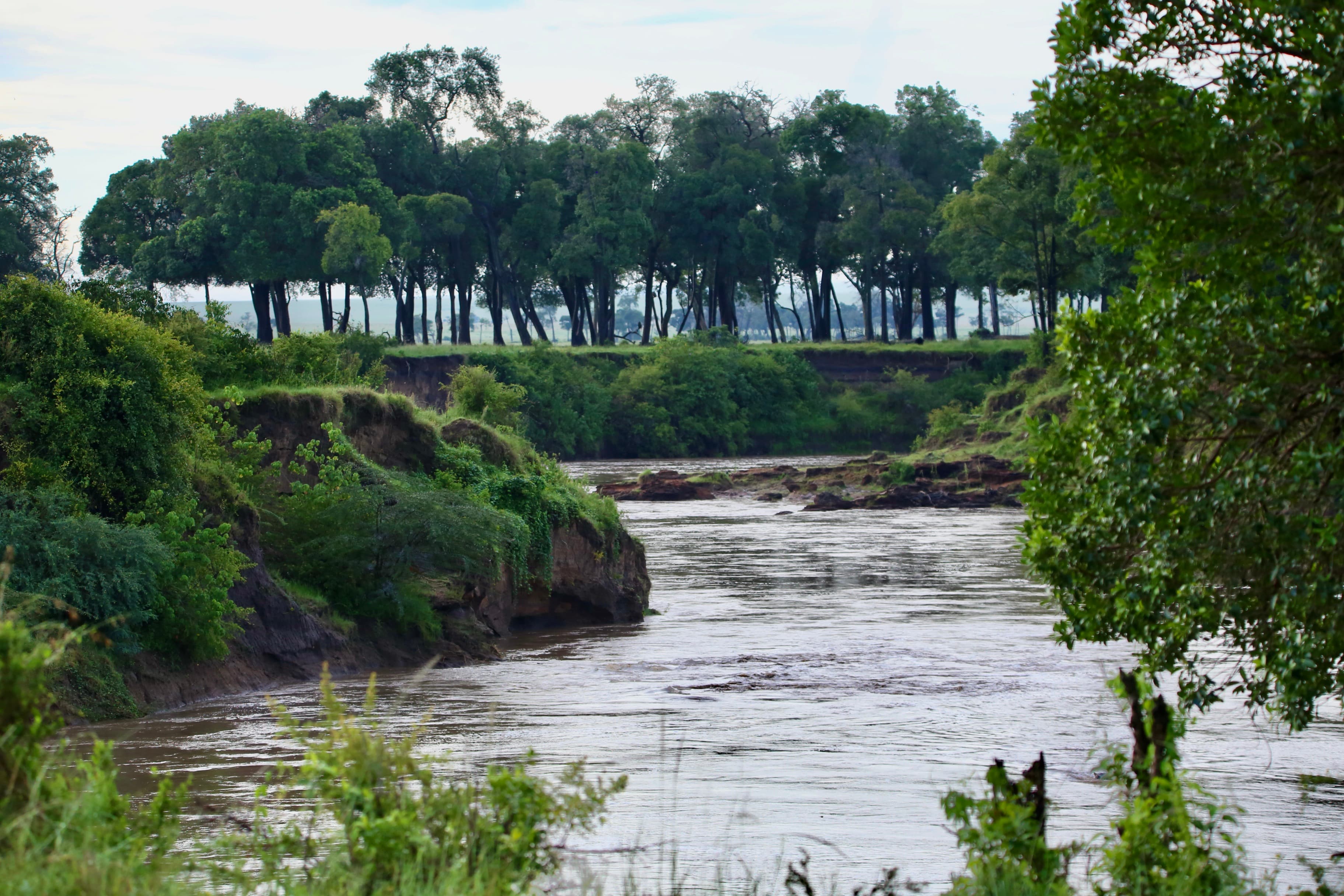
Alisa Karstad, Wilderness Impact Manager based in Nairobi, describes Nyekweri as ‘a forest under siege’, where the chilling sound of power saws means the death of thousands of ancient trees – wild olive, East African greenhearts, moth trees, and giant diospyros among them. Where fewer than 25 giant pangolins – a flagship species for the forest – seek sanctuary.
‘A shift in land ownership is driving this recent and rapid deforestation,’ Alisa explains. ‘Traditionally communal rangelands have now been subdivided into private plots. All of the forest area has been subdivided and allocated to individual landowners. Local landowners, predominantly from the Siria Maasai community, have cleared their land for agriculture. The process has been accelerated by the charcoal trade. They then engage in livelihood opportunities including livestock grazing and leasing land to agriculturalists, all legal. Illegal, large-scale charcoal production has also taken place for many years.’
Sadly, she adds, with the subdivision come fences, often electrified to keep elephants away from crops. These divide the land and – along with habitat loss – account for the rapid decline in the pangolin population, as well as impacting other species.
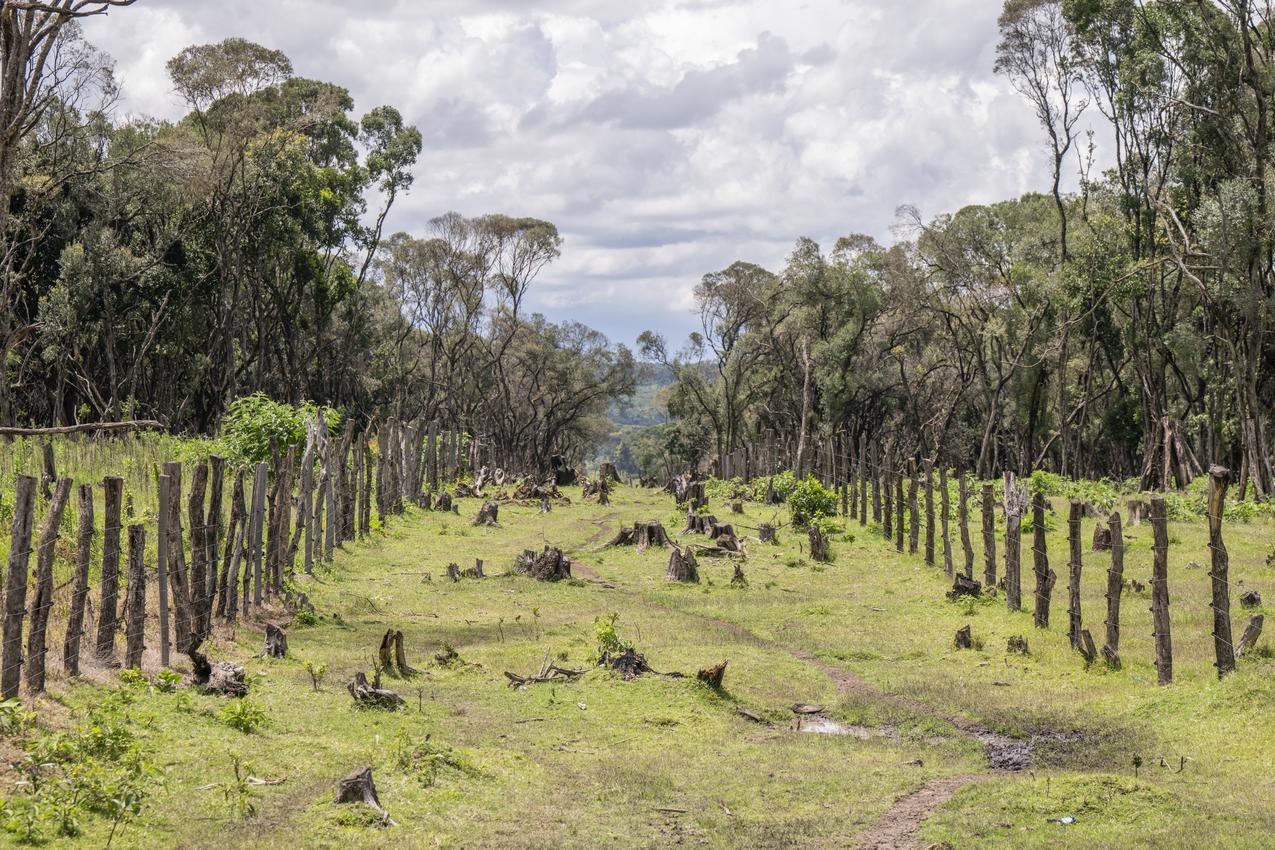
‘Change must come from a shift in community attitudes,’ Alisa says. ‘This takes a lot of time.’
But change is happening, with restoration initiatives intensifying since 2022.
‘The Pangolin Project (TPP) is working hard to secure land leases for conservation efforts, through hundreds of engagements with community members,’ Alisa says. ‘Illegal activities are increasingly being targeted through community-led governance structures, conservation trusts (such as the Nyekweri Kimintet Community Forest Conservation Trust), local ranger teams (TPP and Mara Elephant Project, for example), and sustainable land-use planning initiatives.

‘There are plans in place for restoration activities, which would require hundreds of thousands of trees, but this can only happen once the land is secured for conservation. There is huge focus on community involvement and support.’
Opening in November is a community tree nursery built by the Wilderness Trust at Enkereri Comprehensive School, near the forest. Developed by the Centre for Ecosystem Restoration-Kenya, the nursery has a 15,000-seedling capacity, growing a huge variety of indigenous trees. The project trains students (including Children in the Wilderness Eco-Club members), teachers, and others in the local community in sustainable land-use, nursery management, and indigenous tree propagation. Its kitchen garden supplies fresh produce for school meals.
Plans are underway to engage guests at Wilderness Mara and Governors’ Camp Collection in conservation-linked tree planting and riverbank restoration along the Mara River.
It’s a long road ahead to restore Nyekweri’s long-term ecological health, but looking at the progress in Bisate, Gishwati, and Sabyinyo, there’s hope for Nyekweri, too.
‘Whether you are looking at a mature restoration site like Bisate or a nursery full of tiny seedlings at Nyekweri, you are really looking at different chapters of the same story,’ says Mariëtte. ‘One is showing you what is possible; the other is showing you where that journey begins.’
More to discover
The Kunene River is a lifeline through the Namib
Discover the Kunene River, a lifeline through Namibia's remote desert, where lush riverbanks, remark...
Read moreIngrid Wood
03.11.2026
Behind the scenes with Hwange’s wildlife protectors
Behind every unforgettable safari are people working tirelessly to protect the wild. Meet Hwange's S...
Read moreLeigh-Anne Nel
30.10.2026
Wilderness Usawa Serengeti: The safari camp that follows the Great Migration
If you'd like to watch the Great Migration from a camp that moves with it, Usawa is built for exactl...
Read moreIngrid Wood
30.10.2026
Qorokwe: Sharing stories, exceeding expectations
Discover Wilderness Qorokwe through a guest's eyes, where dramatic wildlife encounters, remarkable p...
Read moreMelissa Siebert
28.10.2026
From the mist to the Migration
What began among Rwanda's mist-covered volcanoes has grown into an extraordinary East African journe...
Read moreGrant Woodrow, Wilderness Chief Business Development Officer
26.10.2026