
Zimbabwe
Behind the scenes with Hwange’s wildlife protectors
Your Guide to Africa
Leigh-Anne Nel
10/30/2026
A personal encounter with the Scorpion Anti-Poaching Unit from Linkwasha
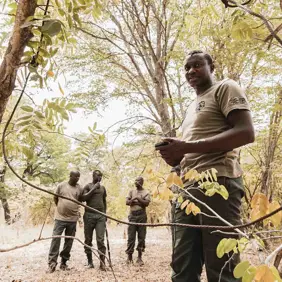
Protecting Hwange, one patrol at a time
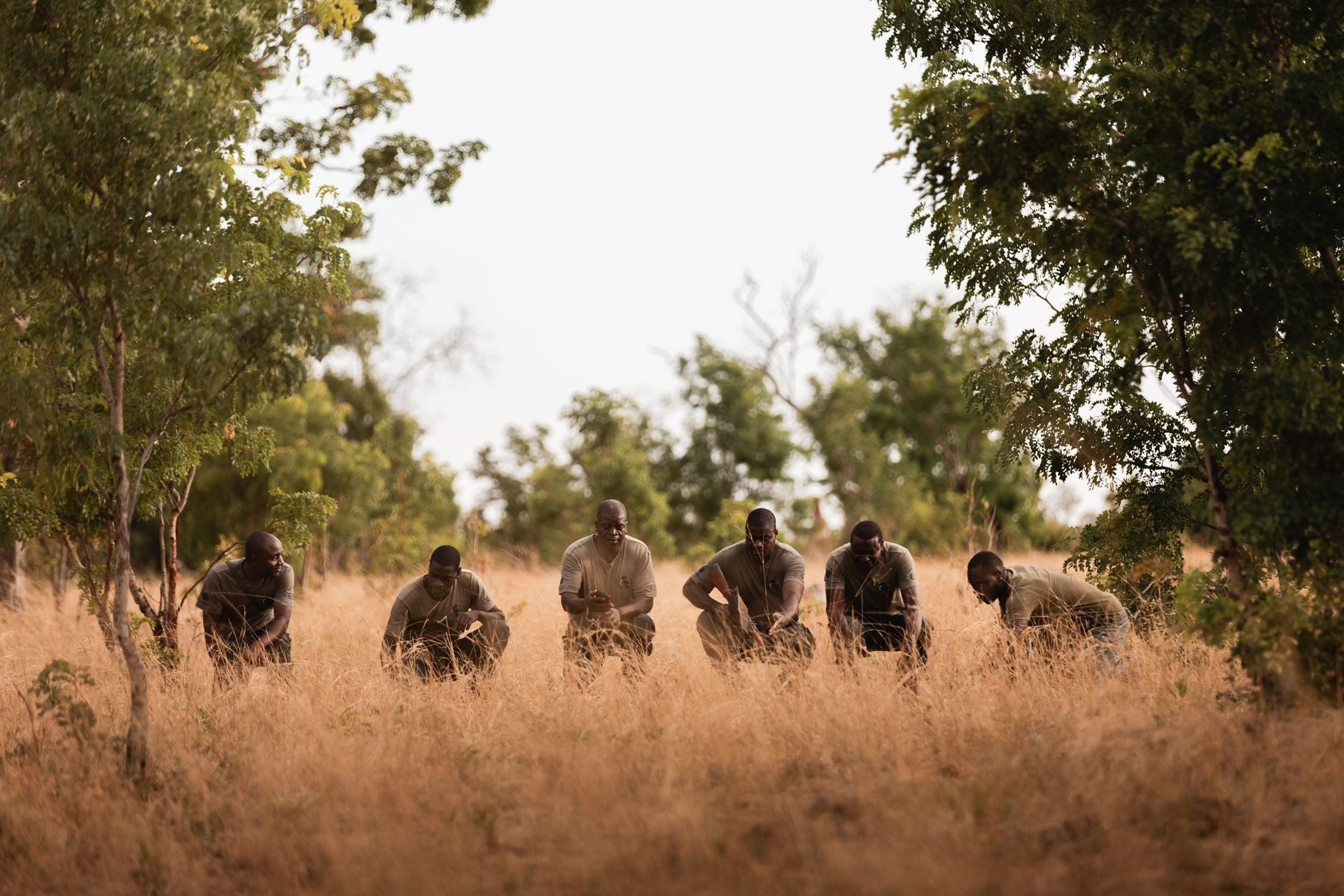
Working in partnership with Wilderness and the Zimbabwe Parks and Wildlife Management Authority (ZPWMA), the Scorpion Anti-Poaching Unit patrols vast areas of Hwange, removing snares, monitoring illegal activities and helping apprehend poachers.
Wilderness, together with the Wilderness Trust, Panthera, and other partners, has directly supported the Scorpion Anti-Poaching Unit (SAPU) since 2012. As of May 2026, SAPU has significantly helped protect the fauna and flora of Hwange.
What struck me most was the sheer dedication and knowledge these rangers bring to their work. Their days are spent covering long distances through the bush, often in challenging conditions, relying on years of experience, tracking skills and an extraordinary understanding of the environment around them.
Interestingly, the Scorpion rangers themselves don't carry firearms or work with tracking dogs. Instead, they rely on their bush knowledge, survival skills and understanding of animal behaviour to move quietly through the wilderness, often without being detected. For their safety, an armed Zimbabwe Parks ranger accompanies them on every patrol.
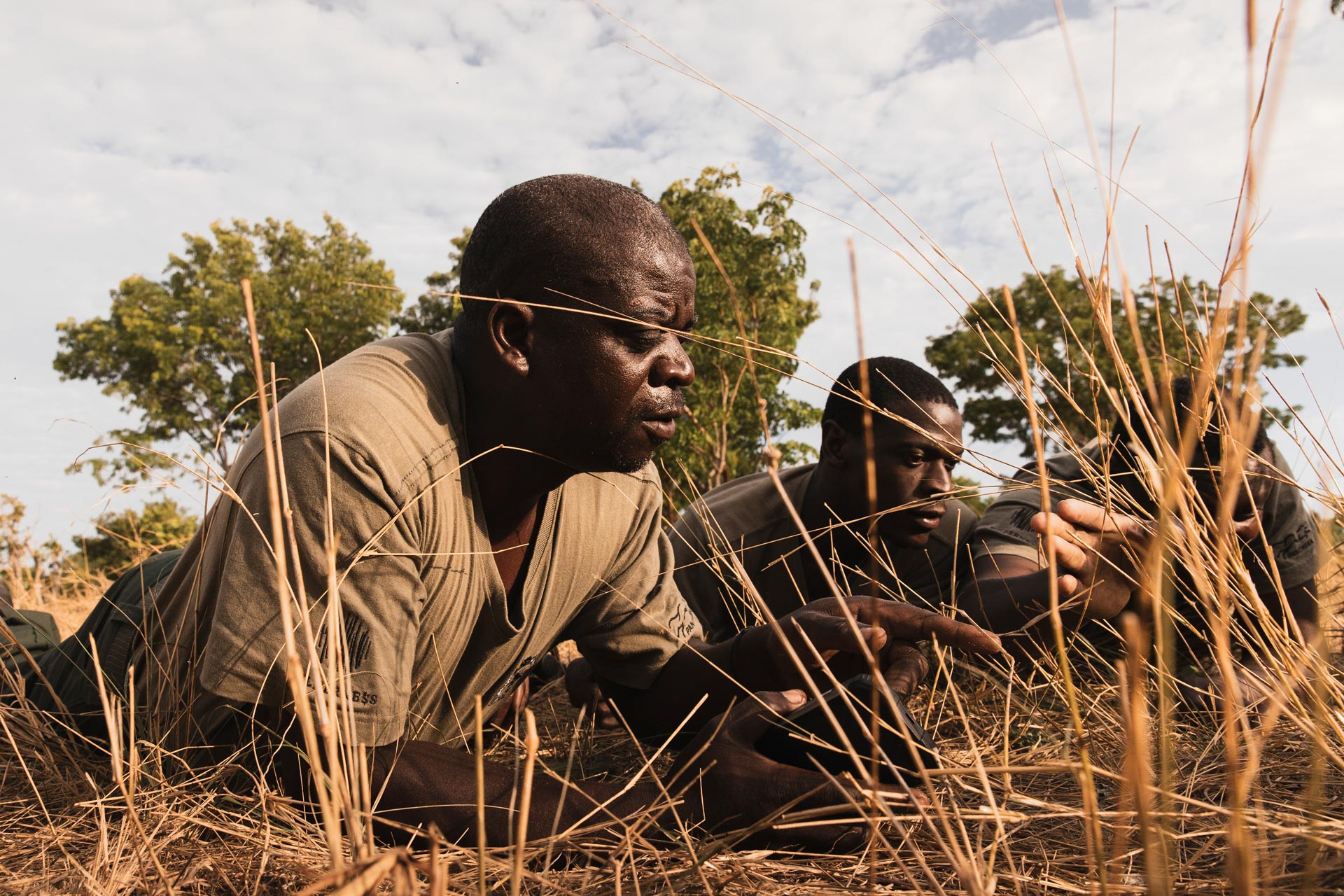
During our visit, Collet and his team gave us a fascinating presentation on their daily operations, the areas they cover and the techniques they use to track poaching activity. It was clear that this is far more than just a job to them. They genuinely care about the wildlife they protect and take enormous pride in what they do.
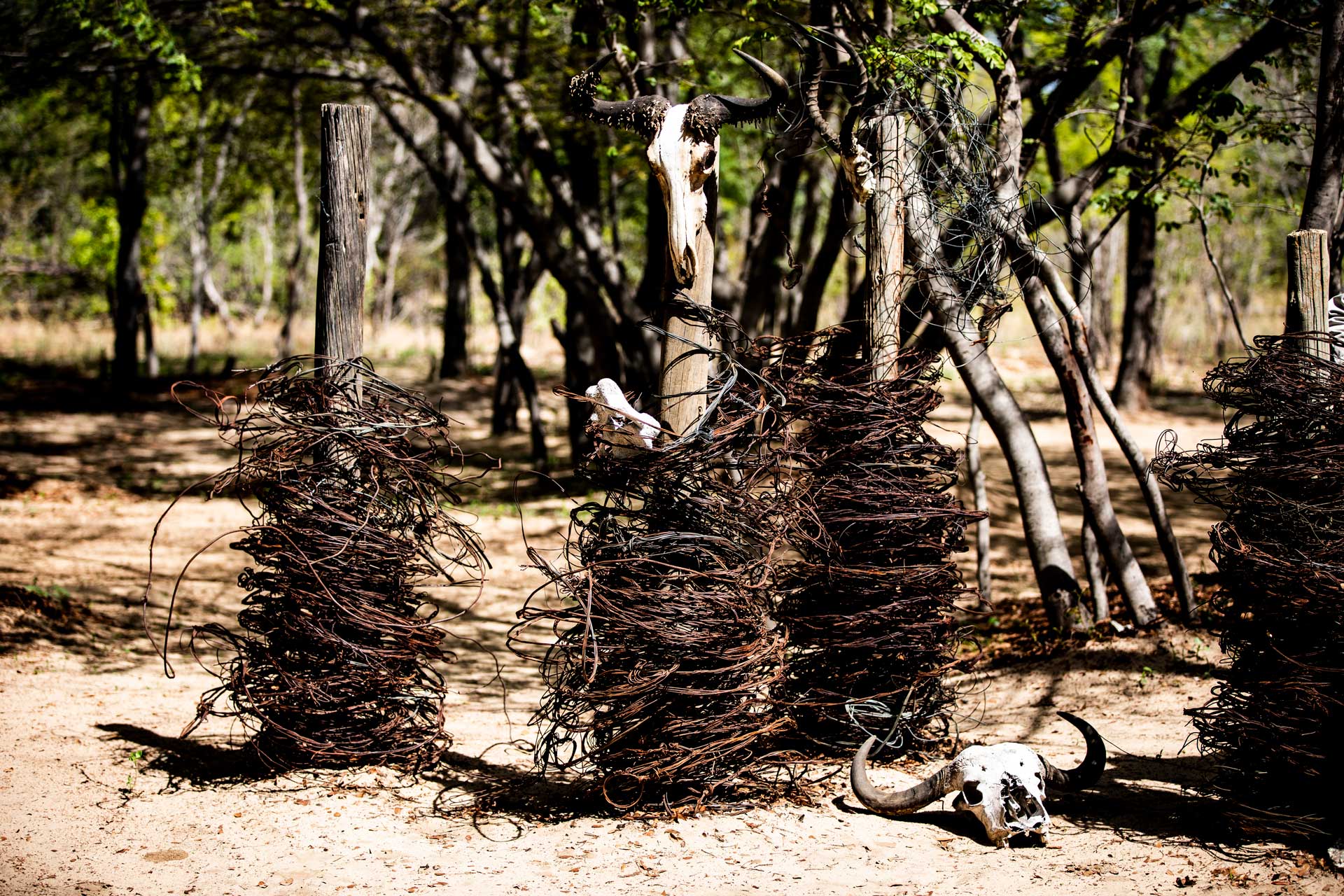
Understanding the bigger picture
Something else I appreciated about our conversation was the team's openness in explaining the different reasons behind poaching.
Not all poaching is driven by the same circumstances. The rangers spoke about subsistence poaching, where people hunt wildlife to feed their families, as well as other forms of illegal hunting and the use of wildlife products in traditional medicinal practices.
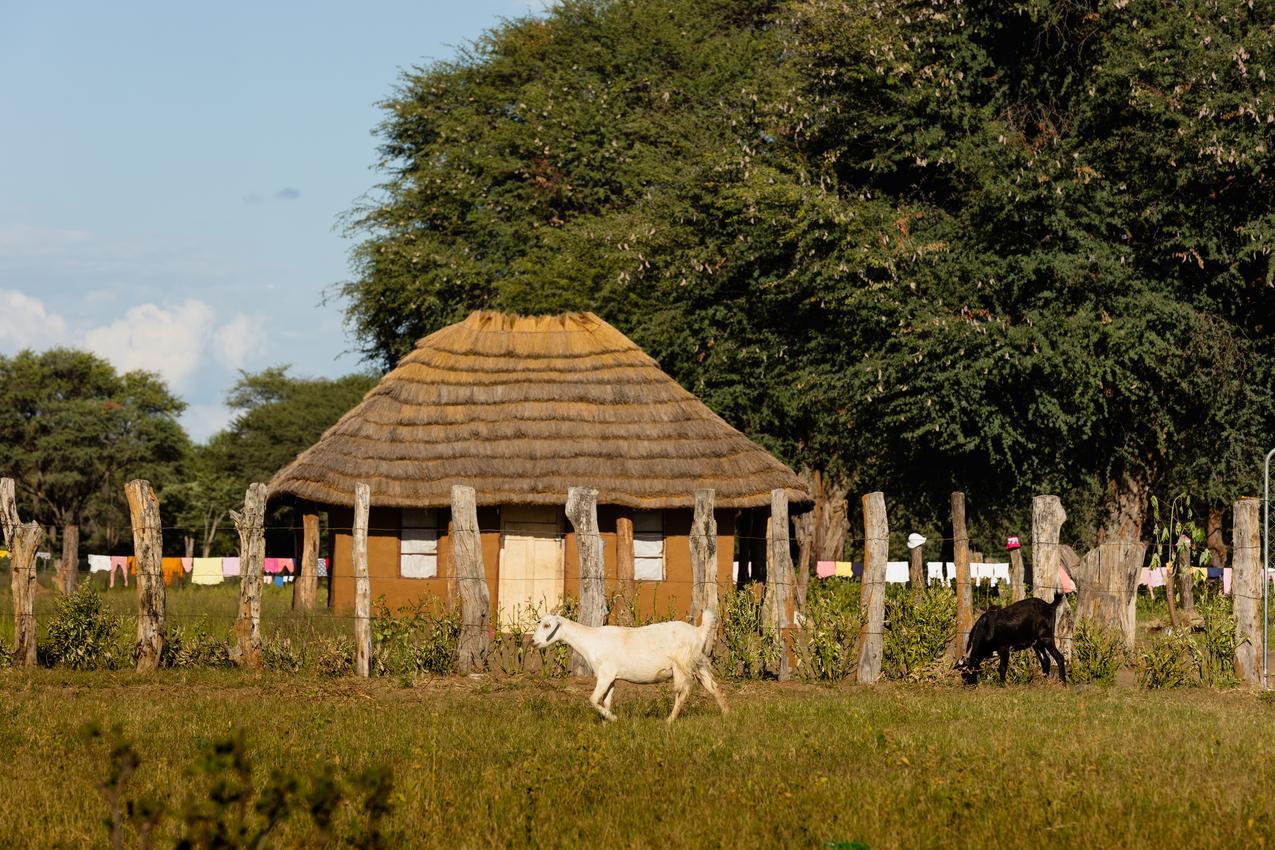
It was a reminder that conservation is rarely straightforward. Protecting wildlife is essential, but so is understanding the challenges faced by people living alongside protected areas.
This is why community involvement is such an important part of the work being done in Hwange.
Local wildlife guardians help monitor and report illegal wildlife activities, while community initiatives encourage more sustainable ways of supporting families, including crop cultivation and livestock breeding.
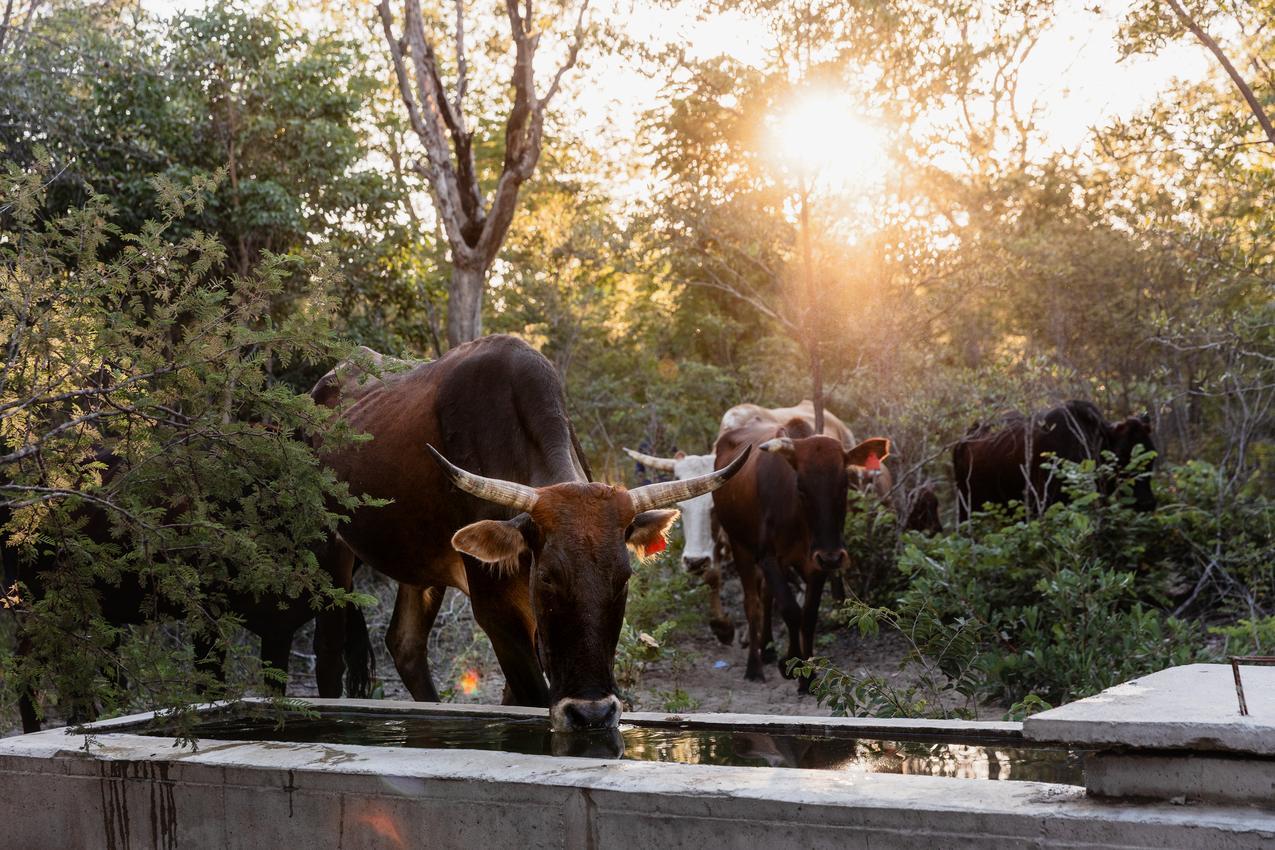
By involving communities and creating opportunities that don't depend on wildlife exploitation, there is a greater chance of achieving lasting change.
Inspiring the next generation of conservationists
One of the things that stayed with me most was the importance the rangers placed on educating children about conservation.
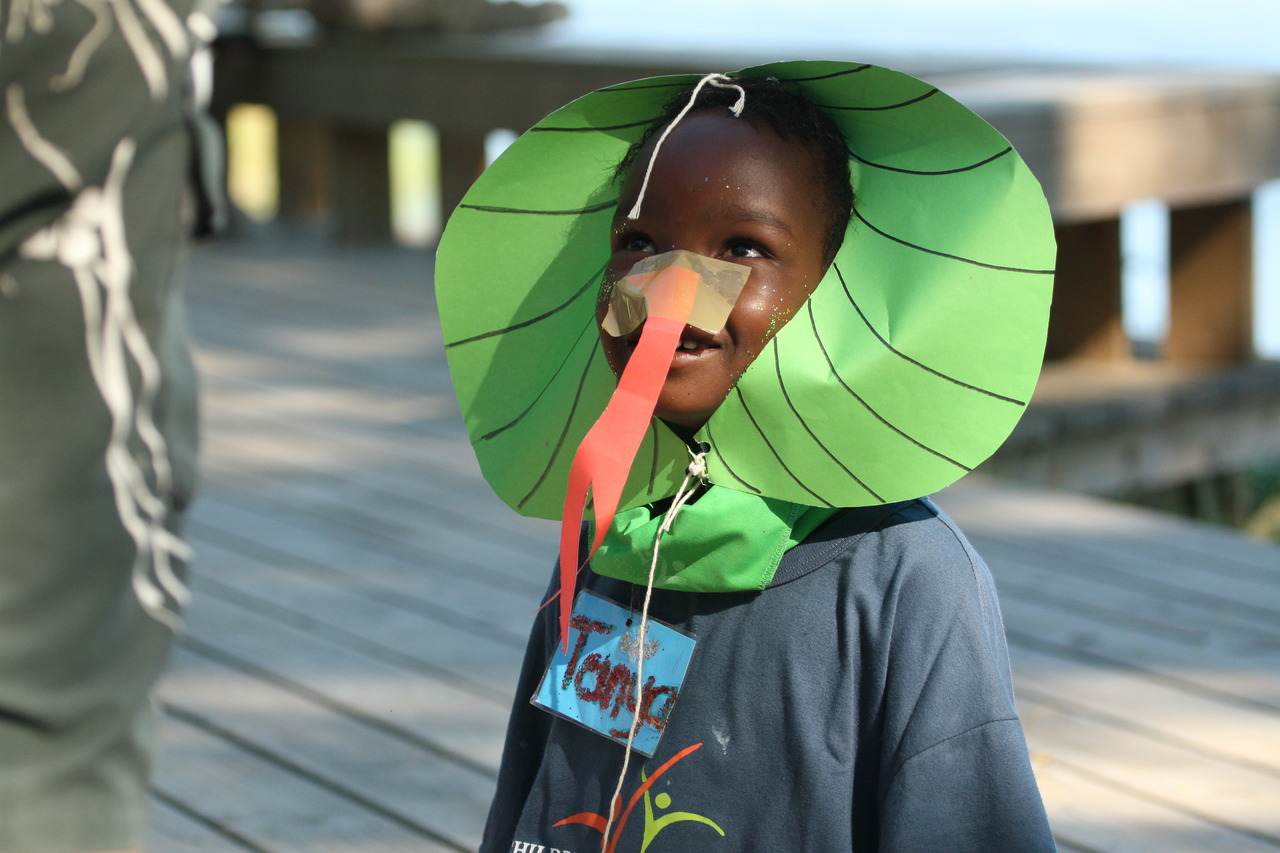
This is where the Children in the Wilderness (CITW) programme plays such a valuable role.
Through environmental education, practical learning experiences and opportunities to connect with nature, CITW helps children understand why protecting wildlife and the natural environment matters.
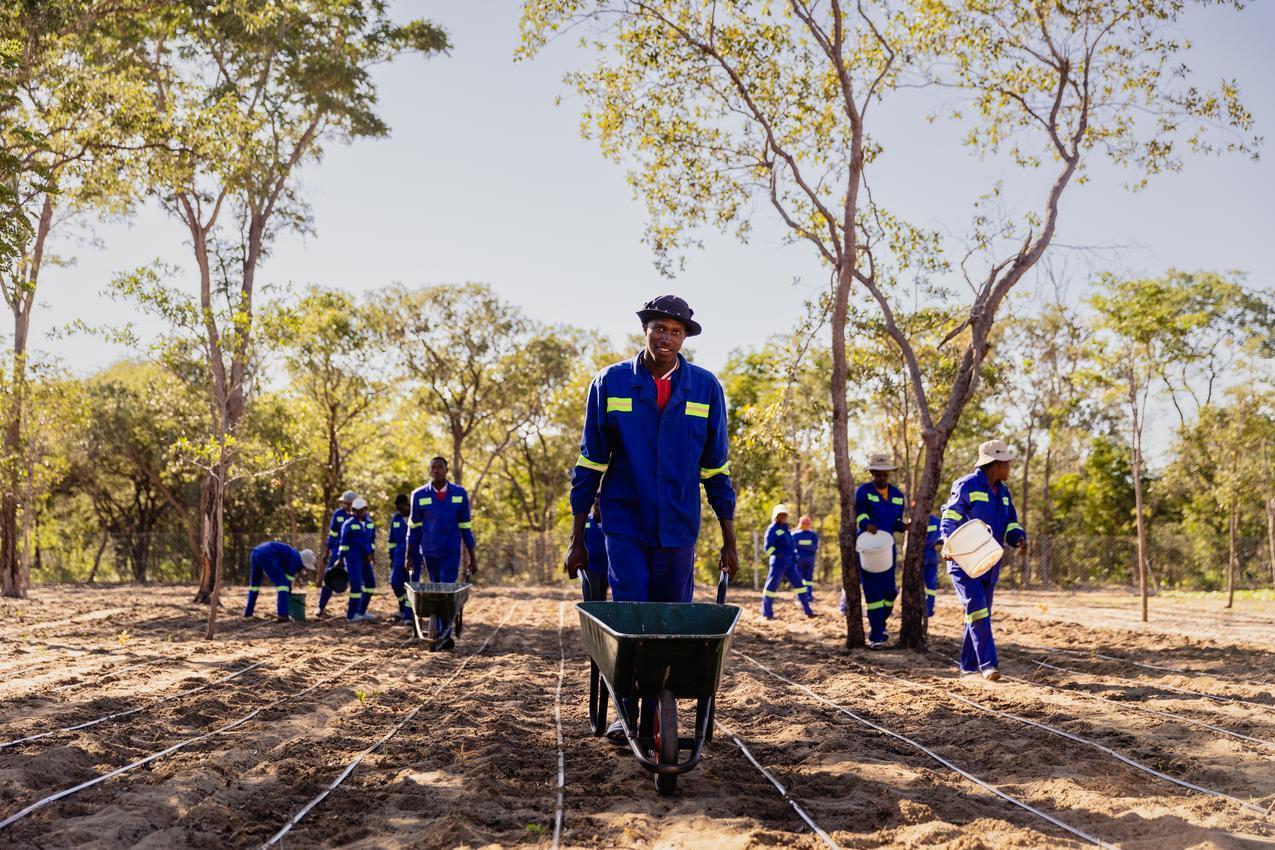
For children growing up near wilderness areas, these experiences can help build a sense of pride and responsibility for the incredible wildlife on their doorstep.
What I find particularly meaningful is the potential for these programmes to shape the future.
Many CITW members, who spent their school years attending Eco-Club lessons and annual camps, have gone on to achieve great success in environmental as well as other professional roles.
Most recently, CITW alumnus Sinenhlanhla Nkomazana graduated from the nearby Ngamo Livestock Farm & Vocational Centre with a National Foundation Certificate, and high hopes for the future. Watch her ‘Story of Change’ here.
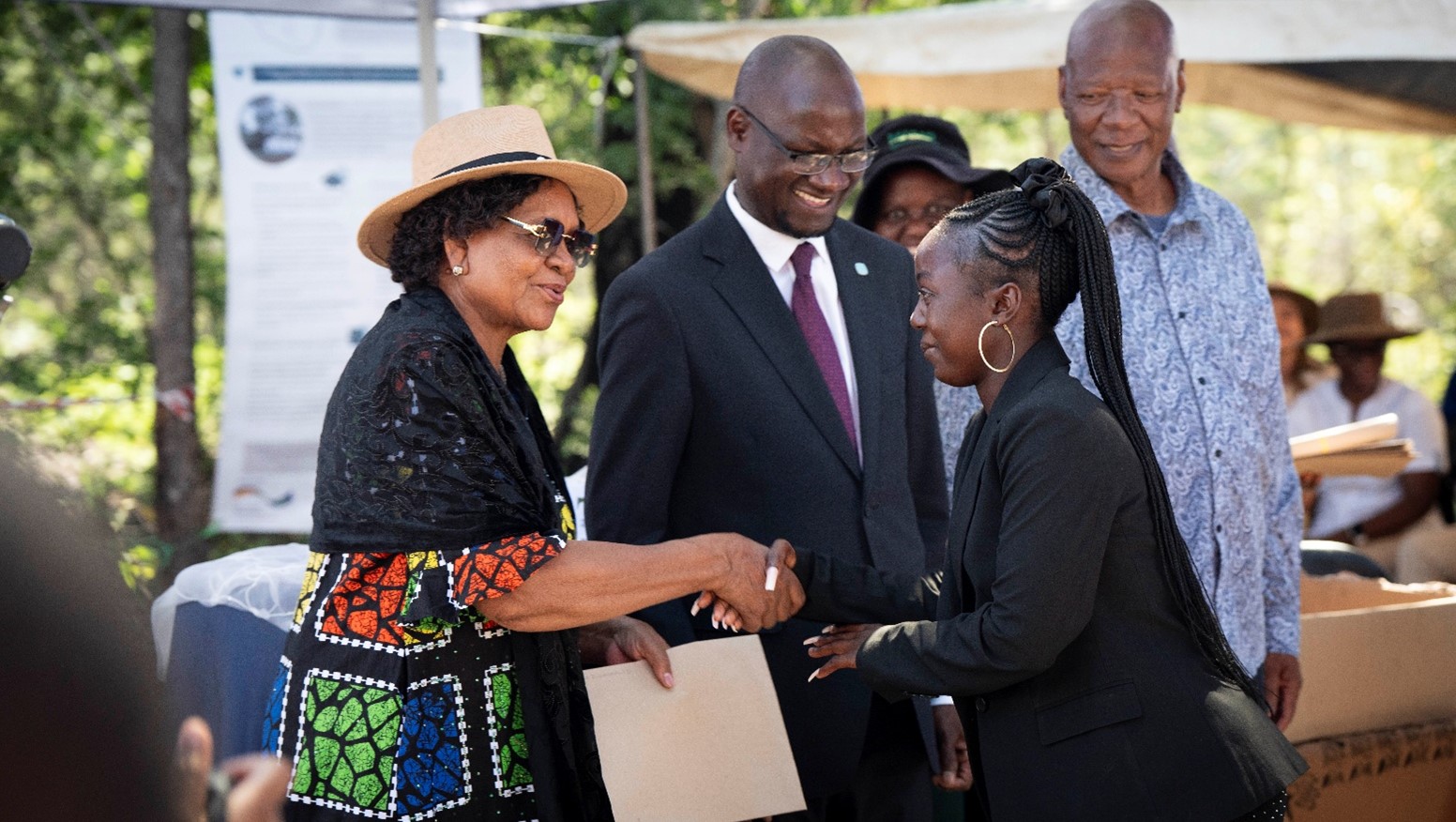
The Scorpion team spoke about the importance of reaching children while they are young, encouraging an appreciation for wildlife that they can carry into adulthood and share with their families and communities.
It reinforced something I strongly believe, conservation isn't only about protecting what we have today. It's also about inspiring the people who will care for it tomorrow.
A lasting impression
Leaving the Scorpion Anti-Poaching Unit, I felt an enormous amount of respect for Collet and his team.
We often talk about the incredible wildlife sightings, beautiful camps and unforgettable experiences that make a safari so special. But behind those experiences are people working tirelessly, often out of sight, to help ensure these wild places remain protected.
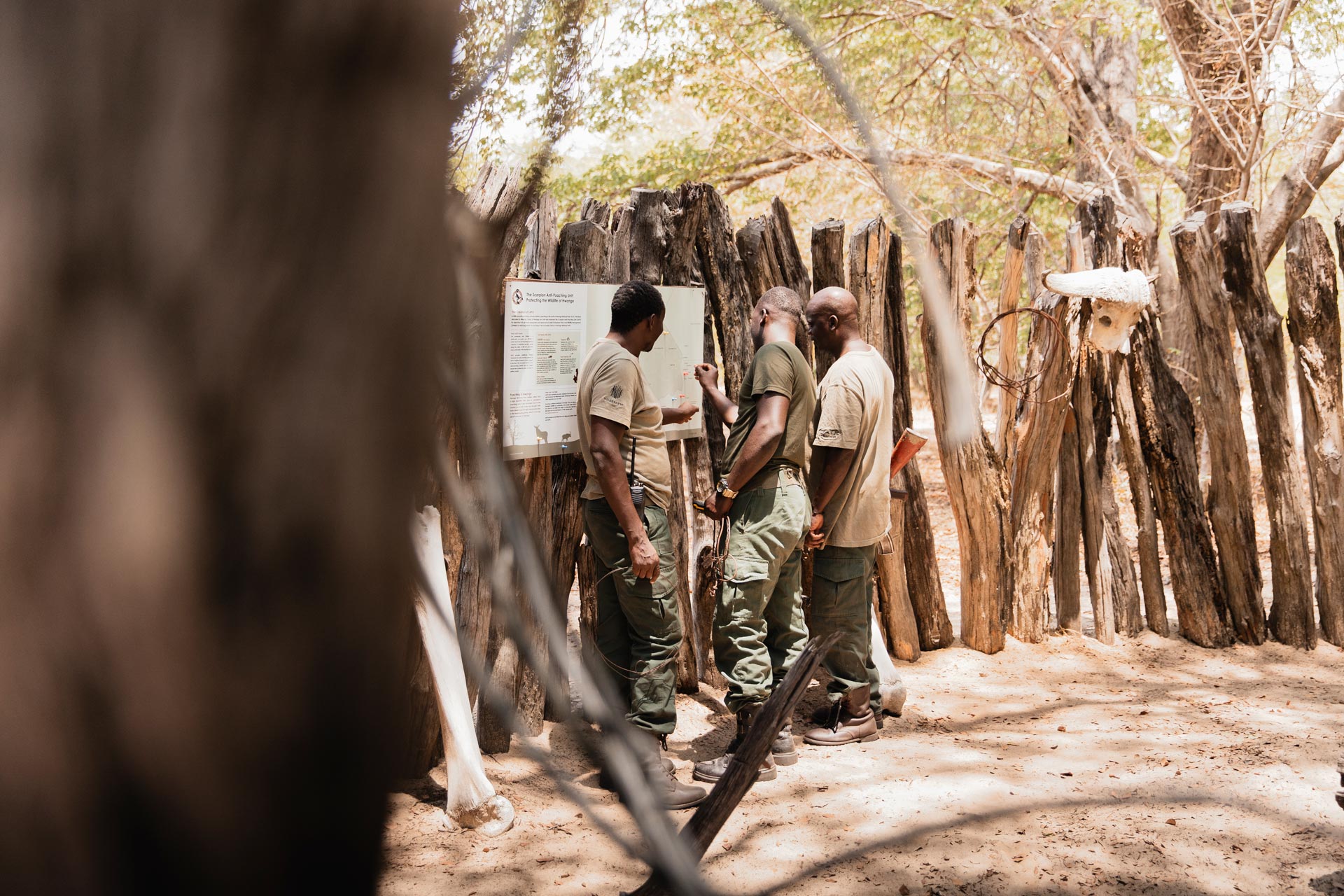
Meeting the rangers gave me a much deeper understanding of the commitment involved. Their work isn't easy, and it certainly isn't without risk. Yet their passion, professionalism and determination were evident in every conversation we had.
It also made me appreciate the importance of Wilderness' continued support, not only for anti-poaching operations but also for community partnerships and education programmes like Children in the Wilderness.
These efforts are closely connected. Protecting wildlife today, working alongside communities and inspiring the next generation all contribute to a future where people and nature can thrive together.
I left Hwange with wonderful safari memories, but meeting the Scorpion team was undoubtedly one of the most meaningful experiences of my trip.
It's reassuring to know that these remarkable animals and wild places have such passionate people looking out for them.
More to discover
The Kunene River is a lifeline through the Namib
Discover the Kunene River, a lifeline through Namibia's remote desert, where lush riverbanks, remark...
Read moreIngrid Wood
03.11.2026
Wilderness Usawa Serengeti: The safari camp that follows the Great Migration
If you'd like to watch the Great Migration from a camp that moves with it, Usawa is built for exactl...
Read moreIngrid Wood
30.10.2026
Qorokwe: Sharing stories, exceeding expectations
Discover Wilderness Qorokwe through a guest's eyes, where dramatic wildlife encounters, remarkable p...
Read moreMelissa Siebert
28.10.2026
From the mist to the Migration
What began among Rwanda's mist-covered volcanoes has grown into an extraordinary East African journe...
Read moreGrant Woodrow, Wilderness Chief Business Development Officer
26.10.2026
Live from Linkwasha: Behind the Africam in Hwange
Go behind the scenes of Africam at Wilderness Linkwasha in Hwange National Park, and discover how li...
Read moreLauren Dold
22.10.2026
Let’s plan your next journey
Ready?
When we say we’re there every step of the way, we mean it, literally. From planning the perfect circuit, to private inter-camp transfers on Wilderness Air, and easing you through Customs. We’re with you on the ground, at your side, 24-7, from start to finish. Ready to take the road less travelled? Contact our Travel Designers to plan an unforgettable journey.