Namibia

Wilderness Namibia camp newsletters – September 2026

Camp news

Camp Manager

10/30/2026

Spring in Namibia

Across Namibia’s desert landscapes, September and October brought winter’s transition to spring, with warm afternoons, cool mornings and very little rainfall in some areas. While the landscape remained dry in places, recent moisture has brought new growth to parts of Damaraland, and wildlife continued to make use of the region’s rivers, waterholes and other permanent water sources. Read on for full updates from all of our wonderful Namibia camps.
 

Wilderness Damaraland news
A little rain and a changing landscape


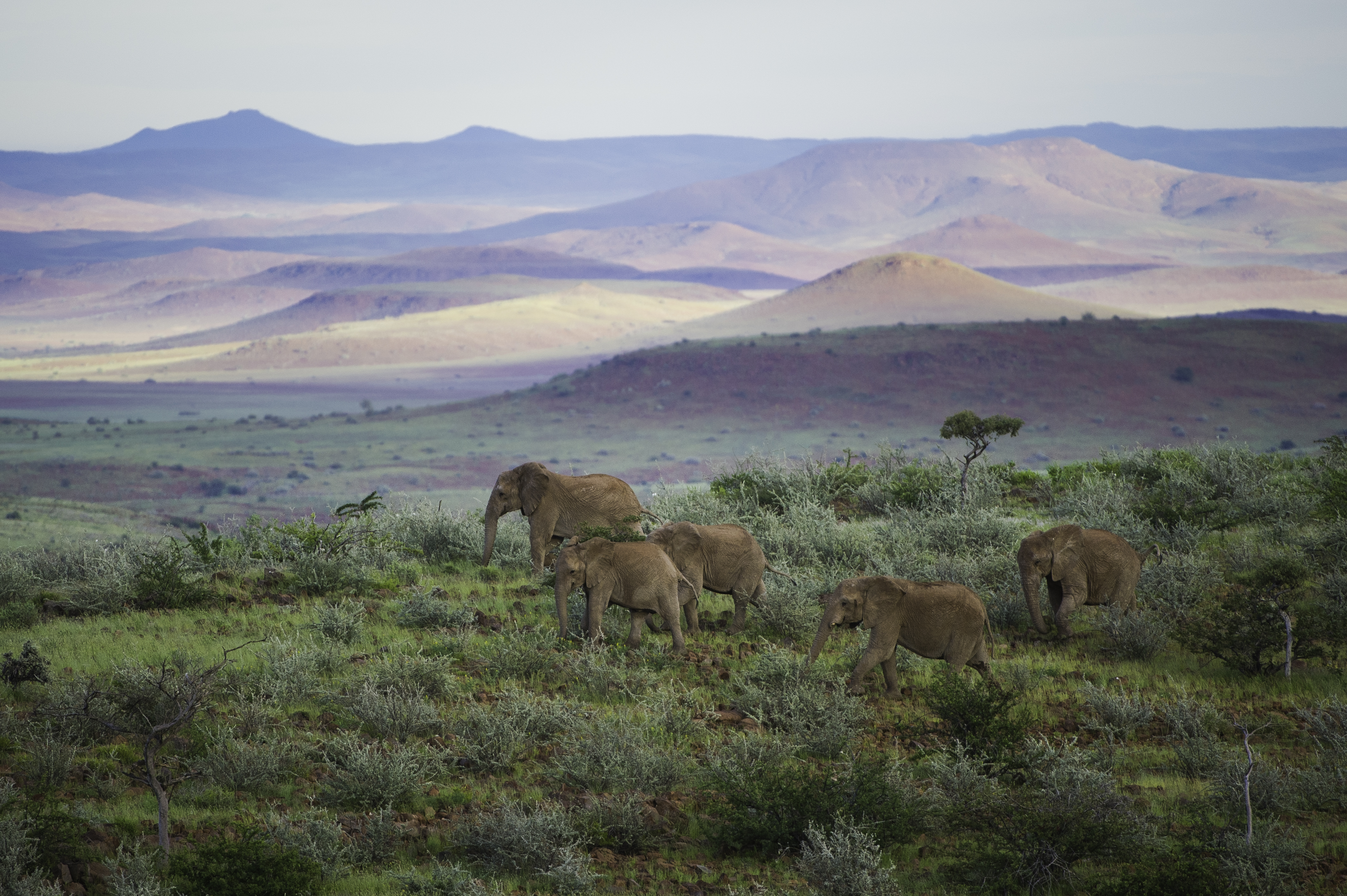
September brought typically extreme Damaraland temperatures, with daytime highs reaching 39–40°C and cooler temperatures of around 13°C at night. A little rain refreshed the vegetation, adding patches of green to the otherwise dry landscape. Mopane and acacia trees are the prominent species on the concession, with seasonal grasses beginning to emerge in lower-lying areas. The ephemeral riverbeds showed signs of recent water flow.


Wildlife around Wilderness Damaraland 


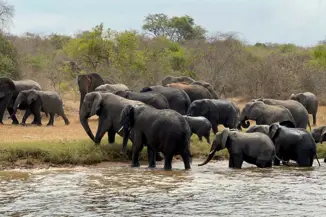
Desert-adapted elephants were regularly encountered, particularly along the river beds, as were springbok, giraffe, ostriches, rock hyrax and other smaller mammals. Birdlife around camp included flocks of lovely red-headed finches, and pied crows.


Along the Huab River, the team reported fewer elephants in the surrounding area, with just one herd of approximately eight animals currently being seen.  


Community news


The community garden continues to be a popular stop for guests. It provides fresh produce for Wilderness Damaraland while supporting local skills development and income generation. Visits also give guests an opportunity to meet community members and learn more about life in the area. The team remains grateful to TOSCO (Tourism Supporting Conservation) for its support of local communities.


The Damaraland Management Company (DMC) team also assisted with cleaning the Slagpos wildlife drinking point, helping to maintain an important water source.


Guest activities 


Nature drives, a visit to a local church and time spent with schoolchildren at DeRiet. Heritage Day and the DeRiet Festival provided opportunities to celebrate local culture, with long-stay guests Lynn and Sherly joining in the Heritage Day traditional dress theme during their 14-day visit.


Guest feedback highlighted the friendliness of the staff, the peaceful setting and the quality of the guiding. Camp maintenance and upgrades continue in the background as usual. 


News by Collin | Photos by Silvester, Moses and Anna
01 / 07
Wilderness Damaraland Camp

Discover the wild heart of Damaraland

Damaraland Camp

Wilderness Desert Rhino news

Conservation and community connections


Weather conditions varied considerably at Desert Rhino Camp, from very cold mornings to midday temperatures of 32–37°C. Hot-water bottles, affectionately known as ‘bush babies’, helped guests stay comfortable during early starts and game drives. Occasional coastal winds brought cooler air into the area.


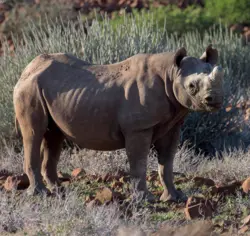
Black rhino tracking remained a central activity, and the team reported that several new rhinos had established themselves in the concession. Guests also saw desert-adapted giraffe, springbok, zebra and kudu, while great bird sightings added to the variety.


Helping protect Namibia’s black rhinos


The Rhino Rangers from three local communities took turns sharing their knowledge, experiences and conservation stories with guests around the campfire. Guest donations also helped provide uniforms for the rangers in recognition of their work protecting these unique free-roaming rhinos.


Heritage Day at Wilderness Desert Rhino


Cultural activities brought staff and guests together in traditional dress, with opportunities to sample local dishes. 


A guest’s birthday celebration was another highlight, with cake and an evening shared by the camp community.


News by Fanus | Photos by Joseph and Rachil
01 / 06
Wilderness Desert Rhino Camp

Walk in the footsteps of Namibia's rhinos

Desert Rhino Camp

Wilderness Doro Nawas news

Wildlife, sleepouts and warm hospitality


September was dry at Doro Nawas, with no recorded rainfall. Temperatures ranged from a minimum of 15°C to a maximum of 45°C, although the average daily high was around 30°C. South-westerly winds typically picked up in the afternoons.


The veld remained dry, with golden grasses contrasting with green trees. Anna trees and blue barleria flowers were among the vegetation noted by the team. Artificial water dams and natural springs continued to provide water for wildlife.


Sightings included desert-adapted elephants, giraffe and steenbok. Birdlife included the secretarybird and Rüppell’s korhaan, while rock agamas and the scorpion *Parabuthus villosus* added to the range of smaller species recorded.


Sleepouts are becoming increasingly popular with guests, alongside river lunches that offer another way to experience the landscape beyond the main camp.


The team also celebrated two guests, Julien Pioche and Femke Kolderman, who were marking their 50th birthdays. Improvements to the staff village houses continued during the period.


Guest feedback was particularly positive about the people working at the camp. One couple, visiting for their honeymoon, wrote: 'Staff were so friendly. This is the best hotel we’ve ever stayed in, thanks for making our honeymoon even better.'


Other guests praised the helpfulness of the team, the clean and comfortable rooms, the food and the quality of the guiding. One guest specifically commended guide Loud for his knowledge and enthusiasm, noting that he had created memorable experiences during their stay.


News by Fritz Naobeb | Photos by Stephanus Katanga
01 / 07
Wilderness Doro Nawas Camp

Experience the magic of Doro Nawas

Doro Nawas Camp

Wilderness Hoanib Skeleton Coast news
Celebrating rare sightings and new team members 


Conditions at Hoanib Skeleton Coast fluctuated during the period, with some warm days and cooler mornings and evenings. As temperatures are lower overnight, the housekeeping team pops hot water bottles into the guests’ beds to keep them comfortable.


The surrounding landscape is characteristic of the Skeleton Coast area – a combination of dunes, rugged riverbeds and desert vegetation. Even in these dry conditions, the area offers outstanding opportunities to observe wildlife adapted to this demanding environment.


Wildlife around the Hoanib


A notable sighting over this period was an African wildcat. These small predators are elusive and not frequently encountered, making the sighting particularly memorable for both guests and the camp team.


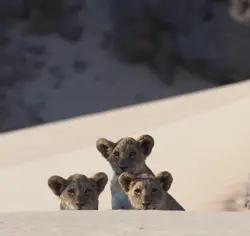
The two well-known ‘Beach Boys’ male offspring of collared lioness XPL-109, a female from the original Floodplain pride, also spent almost a week close to camp, keeping the team alert. Their extended presence offered an unusual opportunity to observe them over several days. The team noted that their mother often keeps them hidden among the dunes, making sightings less predictable.


Ostriches have been appearing more frequently around the area, while giraffes continue to make occasional visits.


Camp news


The team has started a garden with the longer-term aim of growing enough fresh produce to share with local community members. Community leaders were welcomed to camp to learn more about its operations and the ways in which the team contributes locally.


Staff news


The camp operated at full capacity during this period. Meanwhile, staff accommodation has been expanded by six rooms, a development welcomed by the team. Two new colleagues have also joined: Tjiraso Vakumue as Maintenance Driver and Leroy Keister as Food & Beverage Manager. Both were warmly welcomed, and we wish them well in their new roles!


News by Lizelle Opperman | Photos by George (garden), Lizelle (Leroy, community leaders), Bernard (lion), Max, Emsie, Moses  
01 / 16
Wilderness Hoanib

Venture into the wild Skeleton Coast

Hoanib Skeleton Coast Camp

Wilderness Kulala Desert Lodge news

Spring comes to the Namib Desert


As we moved from late winter into early spring, mornings were typically cool, generally between 9°C and 12°C, while afternoon temperatures typically reached 23–29°C, and occasionally climbed into the 30s, moderated occasionally by the shifting easterly wind. The dry golden grasses contrasted beautifully with the red dunes of Sossusvlei and the dry Tsauchab Riverbed in front of camp.


There is no rain at this time of year, and the wildlife gathered around the lodge’s permanent waterhole, including a herd of more than 30 oryx. More than 30 ostrich chicks were also recorded on the reserve, while both brown and spotted hyenas were seen near the riverbed. After sunset, the iconic desert sound of barking geckos was often heard clicking around camp.


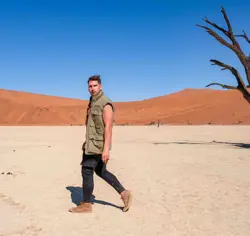
The cooler mornings provided good conditions for climbing Big Daddy and visiting Dead Vlei, where the legendary 900-year-old camelthorn trees stand like sentinels against the pale clay pan and surrounding dunes. Kulala Desert Lodge’s private access gate to Namib-Naukluft National Park allows guides to drive their guests to the dunes long before the park’s main public gates open, meaning photographer’s catch the magic early morning light.


Activities


Hot-air ballooning is always a highlight for guests who choose this activity. The flight provides a soaring view of the desert landscape at sunrise, followed by a champagne breakfast on the plains after landing. At the lodge, rooftop sleepouts offer another way to experience the clear night skies and the Milky Way.


Guided dune walks introduced guests to the smaller details of desert ecology. Guides will point out tracks and possibly the entrance to a trapdoor spider’s burrow, helping guests understand some of the less visible wildlife of this seemingly forbidding habitat.


Evenings provided opportunities for guests to experience the team’s singing and dancing after dinner. Staff also marked a milestone birthday for a guest celebrating his 75th birthday with a cake and a special room arrangement.  


Guest feedback praised the friendliness of the team, the quality of the guiding, the rooms and the laundry service. Joas and Vilho were singled out for their knowledge, hospitality and the care they took in planning excursions and sundowner settings.


News by Monika Ndahetekela Edward | Photos by Michael Amchab and Vilho Hailonga
01 / 09
Wilderness Kulala Desert Lodge

Discover the wonders of Sossusvlei

Kulala Desert Lodge

Wilderness Little Kulala news

Spring growth and desert wildlife


Little Kulala’s temperatures ranged between 16°C and 34°C during the reporting period, with 13 mm of rainfall and easterly winds also recorded. The team noted a little more grass and vegetation across the reserve, although the riverbeds are still dry.


The reserve’s characteristic plants include camelthorn, moringa and quiver trees, with devil’s thorn among the flowers recorded.


Wildlife sightings reflected the range of species found in the Namib. Steenbok, oryx, jackals and brown hyenas were seen, alongside three ostrich families with chicks. The team also recorded oryx with young and a brown hyena carrying a carcass.


Birdlife included the thrilling near-endemic dune lark, Rüppell’s korhaan, sociable weaver and pale chanting goshawk. Reptile sightings included sand snakes and puff adders.


Guest comments highlighted the friendliness and welcome provided by the team, as well as the food, room cleanliness and overall hospitality. Honeymoon guests were among those visiting during the period, while activities included a dinner set up at Uitkyk, and sleepouts under the desert sky.


News by Mathew | Photos by Markus, Gabriel, Kanu, Bradwin and Mathe
01 / 09
Wilderness Little Kulala Desert Lodge

Escape to the heart of the Namib Desert

Little Kulala

More to discover

Embark on another journey through Earth's ultimate, untamed places. These stories capture the raw beauty, passionate conservation efforts, and unique experiences that define Wilderness. We've handpicked these articles to deepen your connection with the wild and inspire your next adventure.
Read them here
The male lion is the king of the Wilderness

Let’s plan your next journey

Ready?

When we say we’re there every step of the way, we mean it, literally. From planning the perfect circuit, to private inter-camp transfers on Wilderness Air, and easing you through Customs. We’re with you on the ground, at your side, 24-7, from start to finish. Ready to take the road less travelled? Contact our Travel Designers to plan an unforgettable journey.