In Kafue National Park, the Busanga Plains cover an area of approximately 750 sq. km with Wilderness camps located in the heart of this wildlife paradise. The Plains are home to thousands of red lechwe, equally ubiquitous puku, stately roan and sable, as well as the diminutive oribi and duiker. During the dry season, once the water has receded from the Plains, herds of wildebeest, zebra and elephant also move out of the treeline into these areas.
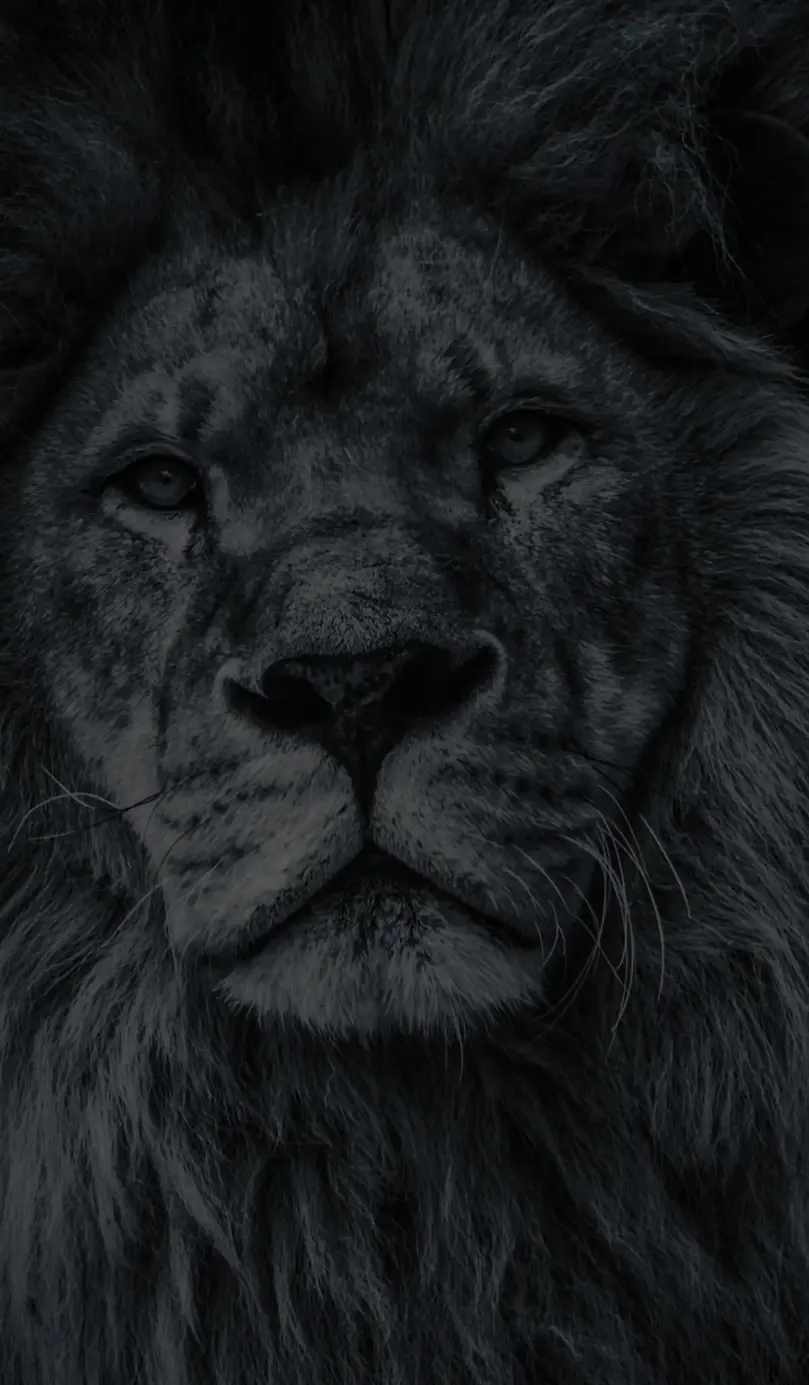
Game drives in and around the plains are extremely rewarding, while night drives offer further excitement. The resident lions are typically seen daily, offering exceptional photographic opportunities of these big cats. Wild dog are occasionally spotted coming out of the treeline and hunting on the fringes of the area and leopards and cheetah are also occasionally seen.
Kafue National Park also boasts 491 species of birds, including Zambia’s endemic Chaplin’s barbet, and the beginning of the season, when there is still standing water, is a birder’s paradise: crowned and wattled cranes, African fish-eagles, open-billed storks, rosy-throated and Fülleborn’s longclaws are all seen in the area. Also be sure to ask your guide to take a drive to the forested Kapinga Island, a special place for spotting the rare Böhm's bee-eater. The Wilderness guides are some of the best in the area and are very knowledgeable about the Plains and its wildlife.
Most game drives take place in the early morning after a light breakfast and take approximately three to four hours, returning to the camp for a late brunch or lunch, before venturing out again into the late afternoon, returning to camp for dinner after an obligatory sundowner stop, with the opportunity to spot nocturnal species along the way back.
On the other hand, at 66 sq. km, Mosi-oa-Tunya National Park is one of Zambia’s smallest wildlife reserves. Still, game drives are productive and rewarding, delivering sightings of numerous species, including elephant, buffalo, giraffe and wildebeest. The birdlife is also exceptional, especially in the green or summer season, with sought-after species such as half-collared kingfishers and Schalow’s turacos.
Game drives in Mosi-oa-Tunya are slightly more flexible than other safari areas. As the reserve is small, they can be slightly shorter and later in the morning, allowing for a more relaxed start or end to your holiday. And while in Kafue guests must be six years or older to join game drives and families with kids aged between six and twelve will be required to book a private game vehicle, there is no age restriction for game drives in Mosi-oa-Tunya National Park.
Toka Leya Head Guide Godfrey Mungala, who has served professionally with Wilderness for some 18 years and also carries a marine certification, shares some of his most exciting experiences while on game drives with guests in Mosi-oa- Tunya National Park:
‘We always see good game in the national park, stopping for drinks at the end of the day, and watching the sun go down over the Zambezi River. On one particular day, we parked to enjoy our sundowners and were about to leave when a big herd of about 100 elephants came through and walked past us while we sat in the vehicle. Two big bulls stared at us in the vehicle while the rest of the herd walked by browsing; a thrilling and humbling moment.
If I were to choose to be any animal, I would choose the elephant. The elephant has a deep personal and cultural significance for me, as I traditionally belong to the Badenda clan, whose tribal totem is the elephant. Beyond that heritage, I deeply admire elephants because they are the largest land mammals on Earth and possess an extraordinary memory and intelligence that allows them to pass vital knowledge down to younger generations.
But the most amusing animal I regularly encounter on game drives is the warthog. They are uniquely entertaining because of their short-term memory; when startled, a warthog will bolt away at full speed, only to stop a few moments later having completely forgotten what triggered its retreat in the first place. Other exciting experiences with my guests included witnessing a python catch and suffocate an impala on a morning drive, as well as seeing a porcupine in the park’.